3D digitization with Gaussian Splatting
We turn people, objects, spaces and heritage into photorealistic 3D models you can explore in real time, with no manual modeling.
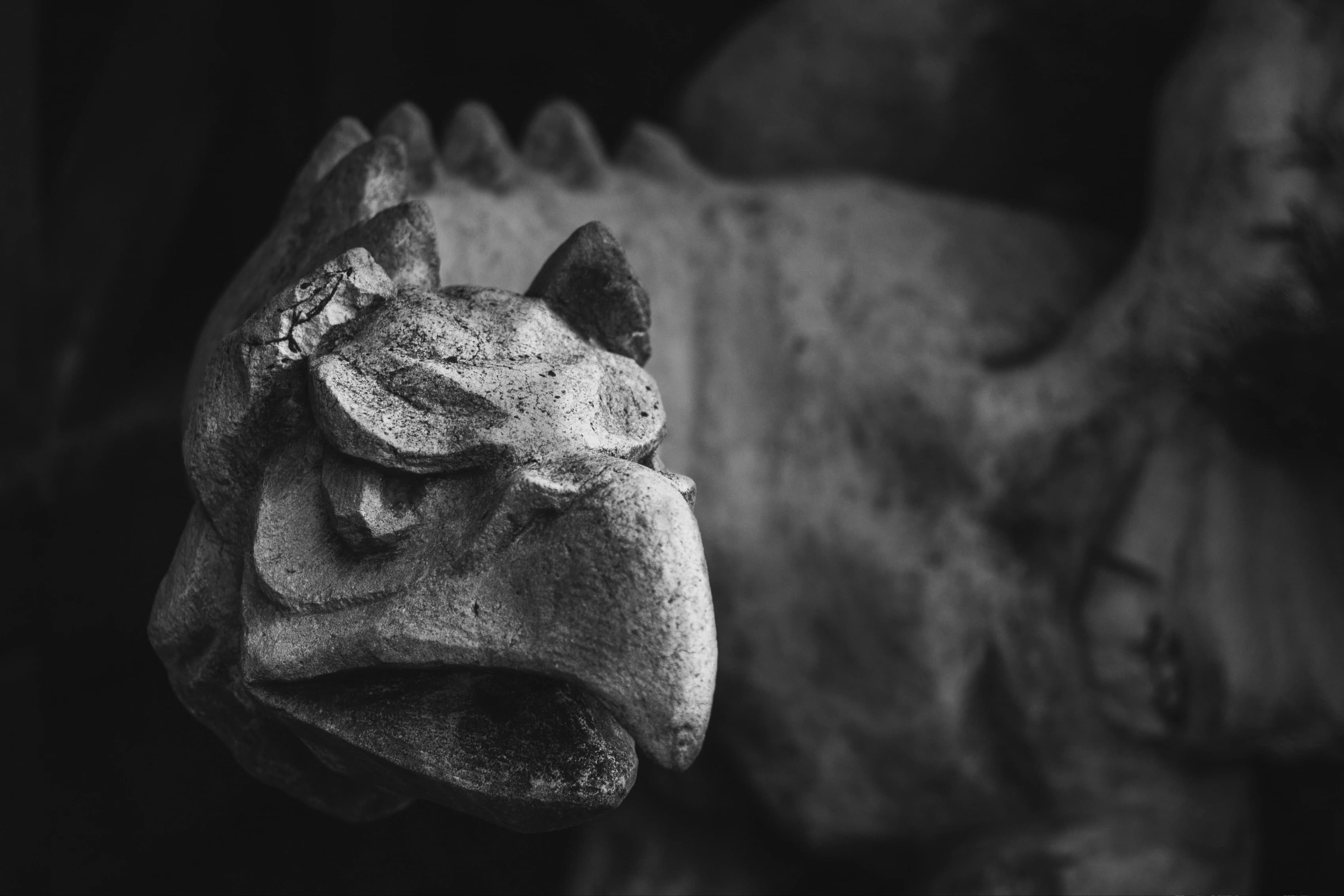
What 3D Gaussian Splatting is
3D Gaussian Splatting (3DGS) reconstructs a real scene from many photographs taken from different angles. The result is not a polygon mesh but millions of Gaussians that store position, shape, color and opacity, drawn on screen in real time.
This reproduces materials that are hard to model by hand, such as hair, fabric, polished marble or pieces with thin parts, with a look very close to photography.
How Gaussian Splatting works
Explore a 3DGS model
Drag to rotate it and use the mouse wheel or two fingers to zoom in.
What we digitize
People
Portraits and full bodies for avatars, campaigns and archives.
Objects and products
Garments, footwear, design pieces and products for e-commerce and advertising.
Spaces and architecture
Interiors, buildings and environments, captured on location.
Art and heritage
Sculptures, collections and archaeological sites for digital preservation and museum experiences.
3DGS compared with photogrammetry
Photogrammetry also starts from photographs, but it produces a textured mesh. It is the right choice when you need geometry to measure, simulate or 3D print.
Gaussian Splatting prioritizes appearance: it reproduces reflections, transparency and fine detail better, and looks photorealistic from any angle. Many projects combine both techniques depending on the final use.
What if your subject moves?
For people and scenes in motion we use 4D volumetric capture, with the studio's rig of 120 synchronized cameras.
See 4D volumetric captureKeep reading
- 4D volumetric capturePeople and scenes in motion, recorded with 120 cameras and reconstructed as 4DGS.
- What is Gaussian SplattingHow the technique works, what each Gaussian stores and its limits.
- Gaussian Splatting formatsPLY, SPZ, SOG and glTF, and how to bring them to the web, Unity, Unreal and virtual reality.
Have a project in mind?
Tell us what you want to capture and where it will be seen. We will propose how to do it.
Get in Touch